


Wireless Works When You Need It Most
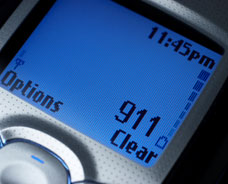 Wireless technology is a powerful tool for your personal safety and security. Americans use wireless devices to contact 9-1-1 nearly 400,000 times per day – saving lives, stopping crimes, and helping others in emergencies. But the numbers don’t really tell the full story. Check out some true stories about everyday wireless users like you, who used wireless to act in an extraordinary circumstance.
How E-911 Works
Your wireless providers and your local public safety community all work hard together, to ensure that wireless emergency 9-1-1 (E-911) services will be efficient and made available quickly, when you need help the most. E-911 services ensure that you can call 9-1-1 from any wireless phone and reach a call center (‘Public Safety Answering Point’ or PSAP). Most PSAPs have the ability to locate your call to a very specific level, but it’s also helpful for you to be able to provide additional information about your location, such as nearby buildings, landmarks or intersections. We have several tips for you in the event that you need to call for emergency help.
How Do We Pay for Wireless E-911 ?
The E-911 system is mostly funded by wireless consumers, although American wireless providers also invest substantial resources to support E-911 services over their wireless networks and on wireless devices. Consumers pay E-911 fees and surcharges that are added onto monthly wireless service bills. The funds are then used to support the systems’ operations, such as the equipment costs and staffing requirements for emergency call centers, and for upgrades to the current system.
Those include Next Generation-911 (NG-911) service upgrades that are defined as the next evolutionary step in the development of our current E-911 communications system. This new system will require a multi-year transition that has already begun. The NG-911 system will eventually replace the present E-911 system, and will be designed to provide access to emergency services from all sources, and to allow multimedia and real-time data capabilities for wireless providers, PSAPs and other emergency service organizations and public safety operations. These new network capabilities are all designed to help keep citizens safe, to find you and bring help more quickly and more efficiently.
Who Controls an E-911 ‘Fund’ Paid for by Consumers ? – State and Local Wireless Fund ‘Raids’
The state and local governments, along with their regulatory commissions, control the E-911 fee costs, but those are typically collected on a consumer’s bill by the wireless provider, and then remitted through to the states, which then use the funding for E-911 purposes. Most cities and states do use the funds appropriately, in an effort to better provide for the safety of their citizens.
Unfortunately, desperate economic times for some cities, counties and states are calling for desperate measures, and some states dip into those E-911 funds to pay for other things unrelated to improving your wireless service. This ranges from quick-fix patches covering budget shortfalls, to outright diversion of funds to other purposes.
Every year, the FCC reports to Congress on how states collect and distribute the E-911 fees. In 2011, the FCC found that seven (7) states raided millions of dollars in E-911 funds to support programs other than E-911. This is in addition to thirteen (13) states in 2010 and twelve (12) states in 2009 that also diverted the funds for non-E-911 purposes, such as closing their general budget gaps.
That’s simply not fair to wireless consumers like you who are paying these fees for wireless emergency service, and are told they’re being used for maintaining and upgrading vital 9-1-1 services. Download the latest FCC report in PDF format.
What You Can Do
Every day, wireless consumers and public safety responders are harmed when states raid their E-911 funds and fees are not used to maintain and upgrade the system to protect consumers when they need it most. Be sure to contact your state and local representatives to keep E-911 funds marked strictly for E-911 purposes.

