


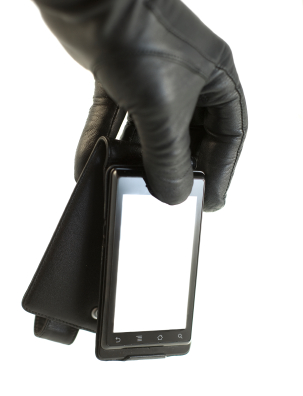
Which would you rather have turn up missing, your cellphone or your wallet? Talk about the lesser of two evils! Both are horrifying prospects to most of us and represent different and potentially significant losses for consumers.
Unfortunately, cellphone, smartphones in particular, have become attractive targets for thieves. In response to a surge in smartphone thefts, the Federal Communications Commission and several police chiefs in major cities came together to ask for assistance from the industry in combating these crimes and reducing the incentive to target these consumers.
Recently, U.S. cellphone carriers voluntarily took a big step toward trying to make wireless devices less enticing to a thief, by launching a database that aims to block stolen cellphones from being used on U.S. networks. Previously, a thief could theoretically take out the existing SIM card in a device, and sell the device to someone else who could initiate service in it by acquiring a new SIM card. Now, the database takes the device’s unique identification number, or IMEI number, and blocks the phone from being used on another network once it’s reported stolen or missing.
This concerted effort between the carriers aims to not only protect individual consumers, but also to dry up the market in the U.S. for stolen devices and reduce the incentive for thieves. Consumers can also help protect themselves by using passwords and pins, locking their home screen and utilizing remote wipe capabilities. Those are valuable tools that carriers and suppliers have long-provided consumers, and can make it very difficult for someone else to use your device if it winds up in their hands.

